Productivity hacks aren’t just about working harder—they’re about working smarter, reclaiming your time, and turning hours of effort into meaningful results. Whether you’re a freelancer juggling multiple clients, a corporate professional drowning in meetings, or an entrepreneur building a business from scratch, the right strategies can transform chaos into clarity. The truth is, most people waste precious energy on tasks that don’t move the needle, while the real game-changers—like deep focus, intentional planning, and energy management—get overlooked. If you’ve ever felt like there aren’t enough hours in the day, you’re not alone. But the good news? Small tweaks to your routine can yield massive returns, helping you get more done in less time without burning out. This guide dives into battle-tested productivity hacks that go beyond generic advice, offering actionable steps to optimize your workflow, eliminate distractions, and sustain high performance. Ready to unlock your most productive self? Let’s get started.
What Are Productivity Hacks? A 40-Word Definition
Productivity hacks are science-backed or experience-tested strategies designed to maximize output while minimizing wasted time and effort. They focus on optimizing workflows, reducing cognitive load, and leveraging tools or habits to achieve more with less stress. Think of them as shortcuts for efficiency, not just speed.
The Psychology Behind Productivity: Why We Struggle

Before diving into tactics, it’s worth understanding why productivity feels so elusive. Our brains aren’t wired for the modern world’s constant demands. The prefrontal cortex, responsible for decision-making and focus, fatigues quickly under multitasking and interruptions. Studies show it takes an average of 23 minutes to regain deep focus after a distraction. That’s why checking your phone mid-task can derail an entire afternoon.
Another culprit? The myth of “busyness.” Many people confuse activity with productivity, filling their days with low-value tasks that create the illusion of progress. True productivity, however, is about outcomes—not just effort. For example, a freelancer might spend hours tweaking a proposal’s formatting instead of focusing on the client’s core needs. Recognizing these psychological traps is the first step to overcoming them.
Finally, energy management often takes a backseat to time management. You can’t pour from an empty cup, yet most productivity advice ignores this. Research from Forbes highlights that peak performance requires aligning tasks with your natural energy rhythms. Night owls and early birds have different windows of peak focus, and forcing a 9-to-5 schedule on a non-morning person is a recipe for burnout.
How Cognitive Load Sabotages Your Work
Cognitive load refers to the mental effort required to process information. When it’s too high, productivity plummets. Imagine trying to write a report while fielding Slack messages, checking emails, and mentally planning dinner. Your brain becomes overwhelmed, leading to errors, procrastination, or decision fatigue. The solution? Batch similar tasks, use templates to reduce mental overhead, and eliminate unnecessary choices (like what to wear or eat) to free up bandwidth for what matters.
The Role of Dopamine in Procrastination
Dopamine, the brain’s “reward chemical,” plays a sneaky role in procrastination. When we check social media or respond to a quick email, our brain gets a hit of dopamine, reinforcing the habit. Meanwhile, important but less immediately rewarding tasks (like writing a business plan) feel dull by comparison. To hack this, pair daunting tasks with small rewards—like listening to a favorite podcast while organizing files—or use the “2-minute rule” to build momentum. Starting is often the hardest part, and dopamine can work for you, not against you.
Time Blocking: The Ultimate Focus Framework
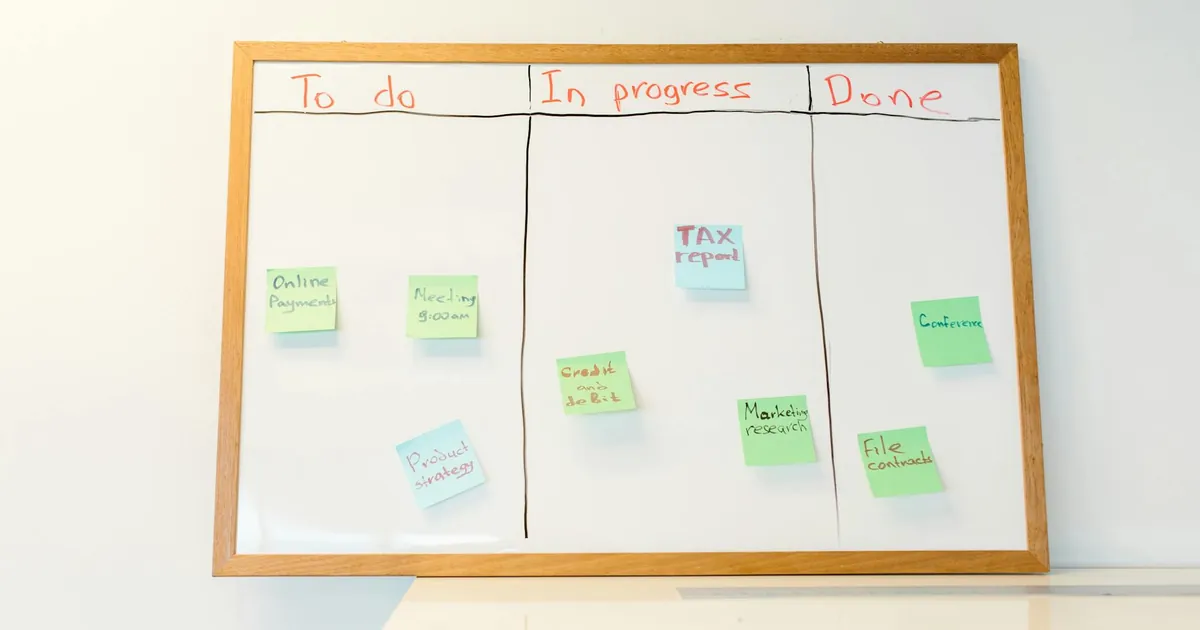
Time blocking is one of the most effective productivity hacks for turning vague goals into actionable plans. Instead of a to-do list that stretches endlessly, you assign specific tasks to fixed time slots in your calendar. This method forces you to prioritize ruthlessly and protects your focus from interruptions. For example, a freelancer might block 9–11 AM for client work, 11–11:30 AM for emails, and 2–3 PM for administrative tasks. The key is treating these blocks as non-negotiable appointments with yourself.
Cal Newport, author of Deep Work, swears by this technique. He argues that shallow work (like emails and meetings) fragments our attention, while time blocking creates space for deep, meaningful work. To implement it, start by auditing your current schedule. Identify your most productive hours and protect them for high-priority tasks. Use tools like Google Calendar or Todoist to visualize your blocks, and don’t forget to include buffer time for unexpected tasks. Over time, you’ll train your brain to focus intensely during these windows, making you far more efficient.
For those who struggle with rigidity, a modified version called “themed days” can work wonders. For instance, Mondays could be for planning, Tuesdays for creative work, and Fridays for wrapping up loose ends. This approach reduces decision fatigue and keeps your energy aligned with the type of work you’re doing. If you’re curious about tailoring this to freelance life, check out these time management tips for freelancers.
How to Handle Interruptions During Time Blocks
Even the best-laid plans get derailed. The trick is to minimize interruptions without becoming a hermit. Start by setting clear boundaries: communicate your focus hours to colleagues or family, and use status updates (like “Do Not Disturb” on Slack) to signal when you’re unavailable. For urgent issues, try the “interruption buffer” technique—schedule 15–30 minutes every few hours to address quick requests. This way, you’re not constantly switching contexts, but you’re still responsive.
Time Blocking for Creative vs. Administrative Work
Not all tasks require the same type of focus. Creative work (like writing or brainstorming) thrives in longer, uninterrupted blocks, while administrative tasks (like invoicing or emails) can often be batched into shorter sessions. Schedule creative work during your peak energy hours—usually mornings for most people—and save administrative tasks for when your focus naturally dips. This alignment ensures you’re not wasting your best hours on low-value work.
The Power of the “Two-Minute Rule” for Instant Momentum

If a task takes less than two minutes, do it immediately. This simple rule, popularized by David Allen in Getting Things Done, is a game-changer for overcoming procrastination. The logic is straightforward: small tasks pile up, creating mental clutter that drains your energy. By handling them right away—like replying to a short email, filing a document, or washing a few dishes—you prevent them from becoming a looming to-do list.
But the two-minute rule isn’t just about speed; it’s about building momentum. Starting is often the hardest part of any task, and knocking out a quick win triggers your brain’s reward system, making it easier to tackle bigger projects. For example, if you’re dreading a report, begin with a two-minute outline. Once you’ve started, the mental resistance fades, and you’re more likely to keep going. This technique is especially useful for freelancers who juggle multiple small tasks daily—like invoicing, client follow-ups, or social media updates.
To make the most of this hack, pair it with the “1-3-5 rule.” At the start of each day, choose 1 big task, 3 medium tasks, and 5 small tasks to complete. The small tasks should take two minutes or less, ensuring you’re making progress on multiple fronts without feeling overwhelmed. For more strategies like this, explore these time management tips for freelancers.
Energy Management: The Missing Link in Productivity
Most productivity advice focuses on time, but energy is the real currency of high performance. You can have all the time in the world, but if you’re exhausted, distracted, or unmotivated, you won’t get much done. Energy management is about optimizing your physical, mental, and emotional states to sustain focus and creativity. Think of it like a battery: you can’t run on empty and expect to perform at your best.
Start by identifying your energy peaks and valleys. Track your mood and productivity levels for a few days to spot patterns. For example, you might notice you’re most alert in the morning but hit a slump after lunch. Use this data to schedule demanding tasks during high-energy windows and save low-energy periods for routine work. Sleep, nutrition, and exercise also play a huge role. A study from the National Institutes of Health found that even a 20-minute nap can improve cognitive function, while skipping breakfast can reduce focus by up to 20%.
Another key factor? Emotional energy. Stress, anxiety, and negative self-talk drain your mental reserves. Techniques like mindfulness, gratitude journaling, or even a quick walk outside can recharge your emotional battery. For freelancers, who often work in isolation, maintaining emotional energy is especially critical. If you’re feeling stuck, try the “5-minute reset”: step away from your desk, stretch, or listen to a favorite song. Small breaks like this can prevent burnout and keep your energy levels steady.
How to Recharge During the Workday
Recharging isn’t just for weekends. Short, strategic breaks can boost productivity by up to 40%. The Pomodoro Technique—25 minutes of work followed by a 5-minute break—is a classic example, but you can customize it. Try the “90-minute rule,” based on ultradian rhythms, where you work for 90 minutes and then take a 20-minute break. During breaks, avoid screens. Instead, hydrate, move around, or practice deep breathing. These micro-recharges prevent mental fatigue and keep your brain sharp.
The Role of Nutrition in Energy Levels
What you eat directly impacts your energy. Processed sugars and refined carbs cause energy crashes, while protein, healthy fats, and complex carbs provide steady fuel. For example, a breakfast of eggs and avocado will keep you full and focused longer than a sugary cereal. Stay hydrated, too—even mild dehydration can impair concentration. Keep a water bottle at your desk and snack on nuts or fruit to maintain energy levels throughout the day.
Automate and Delegate: The 80/20 Rule in Action
The 80/20 rule, or the Pareto Principle, states that 80% of your results come from 20% of your efforts. Applied to productivity, this means identifying the few tasks that drive the most value and automating or delegating the rest. For example, a freelancer might spend hours manually invoicing clients, but tools like FreshBooks can automate the process in minutes. Similarly, a manager might delegate routine reports to an assistant, freeing up time for strategic planning.
Start by auditing your tasks. Ask yourself: “Is this the best use of my time?” If not, can it be automated, delegated, or eliminated? Automation tools like Zapier can connect apps and streamline workflows, while virtual assistants (VAs) can handle administrative tasks. For instance, a VA can manage your email inbox, schedule meetings, or even research topics for your next project. The key is to focus on your unique strengths and outsource the rest. As Tim Ferriss, author of The 4-Hour Workweek, puts it: “Never automate something that can be eliminated, and never delegate something that can be automated.”
Delegation isn’t just for managers. Freelancers can collaborate with other freelancers to share workloads, and entrepreneurs can hire part-time help for tasks outside their expertise. The goal is to free up mental space for high-impact work. If you’re new to delegation, start small—like outsourcing social media management or bookkeeping—and scale up as you become more comfortable. For more on optimizing your workflow, check out these time management tips for freelancers.
Key Takeaways
- Understand the psychology of productivity: Recognize how cognitive load, dopamine, and energy levels impact your work to design better strategies.
- Time blocking is non-negotiable: Assign tasks to fixed time slots to protect focus and prioritize deep work over shallow tasks.
- Leverage the two-minute rule: Tackle small tasks immediately to build momentum and reduce mental clutter.
- Manage energy, not just time: Align tasks with your natural energy rhythms and recharge strategically to sustain high performance.
- Automate and delegate: Use the 80/20 rule to focus on high-impact tasks and outsource or automate the rest.
- Batch similar tasks: Group related activities (like emails or calls) to minimize context-switching and improve efficiency.
- Protect your focus: Set boundaries, use “Do Not Disturb” modes, and create interruption buffers to maintain deep work.
Expert Insights
“Productivity isn’t about doing more—it’s about doing what matters. The biggest mistake people make is treating all tasks as equal. The real hack is learning to distinguish between what’s urgent and what’s important, then ruthlessly eliminating the rest. Tools and techniques are useless if you’re not clear on your priorities.”
—James Clear, Author of Atomic Habits
Frequently Asked Questions
What’s the best productivity hack for beginners?
The two-minute rule is the easiest to implement. Start by tackling small tasks immediately, and you’ll build momentum for bigger projects. Pair it with time blocking to create a simple but powerful system. For freelancers, this approach is especially effective—learn more in these time management tips for freelancers.
How do I stay productive when working from home?
Working from home requires discipline. Start by designing a dedicated workspace, even if it’s just a corner of your living room. Use time blocking to structure your day, and set clear boundaries with family or roommates. Tools like Focusmate can also help by pairing you with an accountability partner for virtual co-working sessions.
What’s the biggest productivity killer?
Multitasking is the number one productivity killer. It fragments your attention, increases errors, and drains mental energy. Instead, focus on one task at a time, and use techniques like the Pomodoro Technique to maintain concentration. If you’re constantly switching between tasks, you’re not actually saving time—you’re just creating more work for yourself.
How can I improve my focus during long tasks?
Break long tasks into smaller, manageable chunks. For example, if you’re writing a report, divide it into sections (introduction, research, conclusion) and tackle one at a time. Use the “5-minute rule” to overcome procrastination: commit to working on the task for just five minutes. Often, starting is the hardest part, and once you begin, you’ll find it easier to keep going.
Is it better to work in short bursts or long sessions?
It depends on the task. Creative work (like writing or brainstorming) often benefits from longer, uninterrupted sessions, while administrative tasks (like emails or data entry) can be done in short bursts. Experiment with both approaches to see what works best for you. The key is to match your work style to the task at hand.
How do I avoid burnout while trying to be more productive?
Burnout happens when you push too hard without recharging. To avoid it, prioritize self-care—get enough sleep, eat well, and take regular breaks. Use the “90-minute rule” to work in focused sprints, followed by 20-minute breaks. Also, set realistic goals and celebrate small wins. Productivity isn’t about working nonstop; it’s about working smart and sustaining your energy over time.
What tools can help me stay productive?
There are countless tools, but the best ones depend on your needs. For time management, try Todoist or Google Calendar. For focus, RescueTime tracks your digital habits, while Forest gamifies staying off your phone. For automation, Zapier connects apps to streamline workflows. Start with one or two tools and build from there—don’t overwhelm yourself with too many at once.
Productivity isn’t a one-size-fits-all solution. It’s about experimenting, refining, and finding what works for you. Start with one or two hacks from this guide, track your progress, and adjust as needed. Remember, the goal isn’t to do more—it’s to do what matters, with less stress and more satisfaction. So pick a strategy, take action today, and watch your productivity soar. And if you’re a freelancer looking to level up, don’t miss these time management tips for freelancers—they’re packed with insights to help you work smarter, not harder.