
A daily routine for successful freelancers isn’t just about checking off tasks—it’s the invisible scaffolding that turns sporadic hustle into sustainable success. While the freedom of freelancing tempts many with visions of working in pajamas and setting your own hours, the reality is that without structure, even the most talented professionals can drown in procrastination, burnout, or feast-or-famine income cycles. The difference between freelancers who thrive and those who barely survive often comes down to one thing: a deliberate, adaptable routine that balances productivity, creativity, and well-being. Whether you’re a writer, designer, developer, or consultant, mastering your daily rhythm can mean the difference between scrambling for clients and building a career that grows with you.
What Is a Daily Routine for Successful Freelancers?
A daily routine for successful freelancers is a personalized framework of habits, rituals, and systems designed to maximize output while preserving energy, focus, and work-life balance. Unlike traditional 9-to-5 jobs, freelancing demands self-discipline, time management, and the ability to switch between creative, administrative, and client-facing tasks seamlessly. This routine isn’t about rigid schedules—it’s about creating a flexible structure that adapts to your natural rhythms, client demands, and personal goals. Think of it as your operating system: it keeps you running smoothly, even when unexpected challenges arise.
Research from Forbes shows that freelancers who establish consistent routines are 42% more likely to meet deadlines and 30% more satisfied with their work-life balance. The key lies in balancing deep work with strategic breaks, prioritizing high-impact tasks, and building in time for professional growth. A well-crafted routine also helps combat the isolation of freelancing by incorporating social interactions, whether through coworking spaces, networking calls, or even virtual coffee chats with peers.
Start with a Morning Ritual That Sets the Tone

The way you begin your day often dictates how the rest of it unfolds. For freelancers, a morning ritual isn’t just about waking up early—it’s about priming your mind and body for a productive, fulfilling day. Successful freelancers don’t roll out of bed and dive straight into emails; instead, they carve out time for activities that energize them, whether that’s meditation, exercise, journaling, or simply enjoying a quiet cup of coffee without screens.
Take the example of Sarah, a freelance graphic designer who struggled with burnout until she redesigned her mornings. She now starts her day with a 20-minute yoga session, followed by a brainstorming walk where she jots down creative ideas in a notebook. By the time she sits at her desk, she’s already in a state of flow, ready to tackle client projects with fresh eyes. This approach aligns with findings from the American Psychological Association, which highlights that morning rituals reduce stress and improve cognitive function.
Design Your Ideal Morning Routine
Your morning routine should reflect your personality and goals. If you’re a night owl, forcing yourself to wake up at 5 a.m. might backfire. Instead, experiment with these elements to find what works for you:
- Movement: Even a 10-minute stretch or walk can boost your mood and creativity.
- Mindfulness: Meditation, deep breathing, or gratitude journaling can center your thoughts.
- Fuel: A nutritious breakfast and hydration set the stage for sustained energy.
- Planning: Review your top 3 priorities for the day to stay focused.
Avoid the “Just One Email” Trap
One of the biggest mistakes freelancers make is checking emails or messages first thing in the morning. This reactive habit derails your focus and puts you in a passive mindset, where you’re responding to others’ priorities instead of setting your own. Instead, protect the first 60–90 minutes of your day for deep work or creative tasks. If you’re worried about missing urgent client requests, set specific “email windows” later in the day and communicate your availability clearly to clients.
Master the Art of Time Blocking
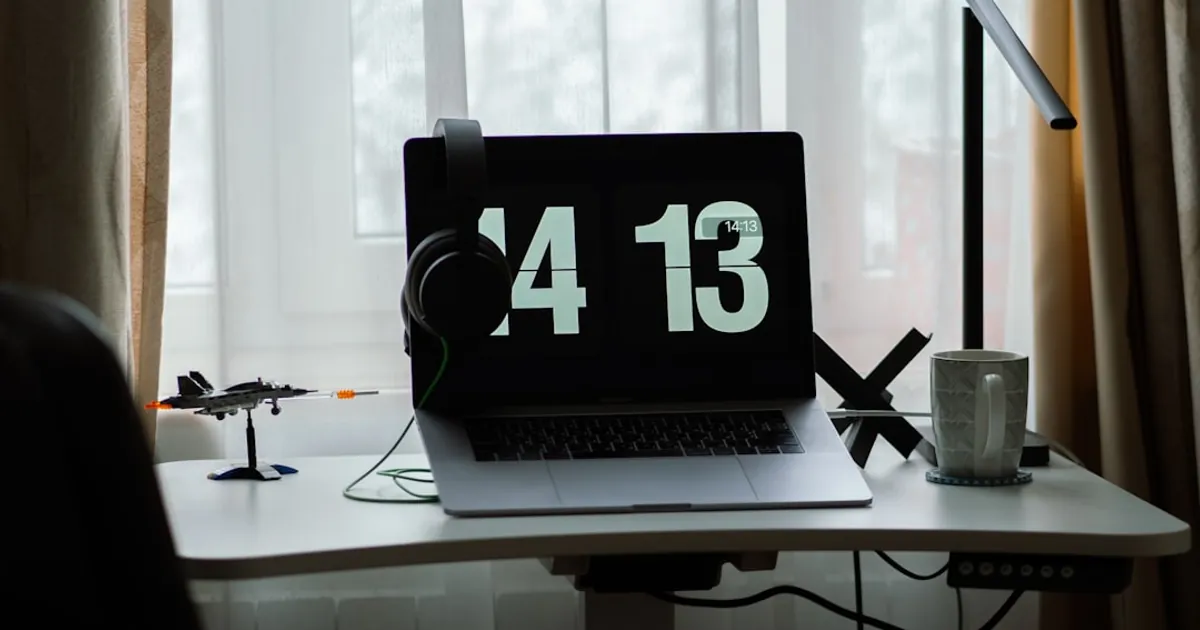
Time blocking is the secret weapon of successful freelancers. Unlike traditional to-do lists, which can feel overwhelming, time blocking assigns specific tasks to dedicated time slots in your calendar. This method forces you to prioritize what truly matters and prevents multitasking, which studies show reduces productivity by up to 40%. The key is to group similar tasks together—like client calls, creative work, or administrative duties—to minimize context-switching and maximize efficiency.
For example, Alex, a freelance copywriter, blocks his mornings for writing (his most demanding task), reserves afternoons for client meetings and emails, and dedicates Fridays to invoicing and professional development. This structure not only keeps him on track but also ensures he’s never caught off guard by deadlines. Tools like Google Calendar, Todoist, or even a simple paper planner can help you implement time blocking effectively.
How to Time Block Like a Pro
To make time blocking work for you, follow these steps:
- Identify Your Peak Hours: Schedule your most important tasks during your natural high-energy periods.
- Batch Similar Tasks: Group emails, calls, and administrative work into dedicated blocks.
- Include Buffer Time: Leave 15–30 minutes between tasks to account for transitions or unexpected delays.
- Review and Adjust: At the end of each week, assess what worked and refine your schedule.
Protect Your Deep Work Sessions

Deep work—the ability to focus without distraction on cognitively demanding tasks—is where freelancers create their best work. Yet, it’s also the most vulnerable to interruptions. To safeguard your deep work sessions, try these strategies:
- Set Boundaries: Communicate your focus hours to clients and colleagues (e.g., “I’m unavailable for calls between 9 a.m. and 12 p.m.”).
- Eliminate Distractions: Use apps like Freedom or Cold Turkey to block social media and non-essential websites.
- Create a Ritual: Start deep work sessions with a consistent cue, like lighting a candle or playing a specific playlist, to signal to your brain that it’s time to focus.
Prioritize Tasks with the Eisenhower Matrix
Not all tasks are created equal, and successful freelancers know how to distinguish between what’s urgent and what’s important. The Eisenhower Matrix, a simple but powerful tool, helps you categorize tasks into four quadrants: urgent and important, important but not urgent, urgent but not important, and neither. This framework prevents you from wasting time on low-value activities and ensures you’re always working toward your long-term goals.
For instance, responding to a client’s last-minute request might feel urgent, but if it derails your progress on a high-paying project, it’s not truly important. On the other hand, updating your portfolio or networking with potential clients might not feel urgent, but these tasks are critical for your long-term success. By using the Eisenhower Matrix, you can delegate, automate, or eliminate tasks that don’t align with your priorities.
How to Apply the Eisenhower Matrix
Here’s how to use the matrix effectively:
| Quadrant | Description | Action |
|---|---|---|
| Urgent & Important | Tasks with tight deadlines or high stakes (e.g., client deliverables, tax filings). | Do these first. |
| Important, Not Urgent | Long-term goals (e.g., skill development, networking, marketing). | Schedule these in your calendar. |
| Urgent, Not Important | Tasks that demand attention but don’t contribute to your goals (e.g., some emails, minor client requests). | Delegate or batch these. |
| Neither Urgent Nor Important | Time-wasters (e.g., excessive social media, unnecessary meetings). | Eliminate or minimize these. |
Automate and Outsource Low-Value Tasks

Freelancers often fall into the trap of doing everything themselves, but this approach limits growth. Tasks like invoicing, social media scheduling, or even basic research can be automated or outsourced to free up time for high-value work. Tools like Zapier can automate repetitive tasks, while platforms like Upwork or Fiverr can connect you with virtual assistants for administrative support.
For example, a freelance web developer might use a tool like Invoice Ninja to automate invoicing, saving hours each month. By outsourcing or automating low-value tasks, you can focus on what you do best and scale your business more effectively.
Build in Breaks to Avoid Burnout
Freelancers often glorify the “hustle” culture, but the truth is that nonstop work leads to burnout, decreased creativity, and lower-quality output. Successful freelancers understand that breaks aren’t a luxury—they’re a necessity. The Pomodoro Technique, which involves working for 25 minutes followed by a 5-minute break, is a popular method for maintaining focus and energy. However, not all breaks are created equal. Scrolling through social media or checking emails during a break can leave you feeling more drained than refreshed.
Instead, use your breaks to recharge physically and mentally. Step away from your desk, stretch, take a walk, or practice deep breathing. Research from the National Institutes of Health shows that even short breaks can improve concentration and reduce stress. For example, Maria, a freelance content writer, takes a 10-minute walk every hour to clear her mind. She returns to her desk feeling rejuvenated and often comes up with her best ideas during these breaks.
Effective Break Strategies for Freelancers

Here are some ways to make your breaks more restorative:
- Move Your Body: Stretch, walk, or do a quick workout to boost circulation and energy.
- Practice Mindfulness: Meditate, journal, or simply sit quietly to reset your mind.
- Engage Your Senses: Listen to music, sip tea, or enjoy a healthy snack to stimulate your brain.
- Socialize: Chat with a friend, family member, or fellow freelancer to combat isolation.
Schedule Longer Breaks for Recovery
In addition to short breaks, successful freelancers also schedule longer periods of rest. This could mean taking a full day off each week, planning a quarterly “reset” day to reflect and recharge, or even taking a week-long vacation. These longer breaks prevent burnout and give you the mental space to think strategically about your business. Remember, rest isn’t a reward for hard work—it’s a prerequisite for sustained success.
End Your Day with a Shutdown Ritual

Just as a morning ritual sets the tone for your day, a shutdown ritual signals the end of your workday and helps you transition into personal time. Without a clear boundary between work and life, freelancers risk overworking, which can lead to stress and decreased productivity. A shutdown ritual might include reviewing your accomplishments for the day, planning tomorrow’s priorities, tidying your workspace, or even a symbolic act like shutting down your computer or closing your notebook.
For example, James, a freelance software developer, ends his day by writing down three things he accomplished and three priorities for the next day. He then shuts down his computer and takes a 10-minute walk to clear his mind. This ritual helps him leave work at work and enjoy his evenings without guilt or distraction. Studies from Harvard Business Review show that shutdown rituals improve work-life balance and reduce stress.
Steps to Create Your Shutdown Ritual
Here’s how to design a shutdown ritual that works for you:
- Review Your Day: Celebrate your wins and note any unfinished tasks.
- Plan for Tomorrow: Write down your top 3 priorities for the next day.
- Tidy Your Workspace: A clean workspace reduces mental clutter.
- Disconnect: Turn off notifications, close work-related tabs, and step away from your desk.
- Transition: Engage in an activity that signals the end of work, like exercise, cooking, or spending time with loved ones.
Why Shutdown Rituals Matter
Shutdown rituals aren’t just about ending your workday—they’re about protecting your mental health and personal life. Without them, it’s easy to let work bleed into evenings and weekends, leading to burnout and resentment. By creating a clear boundary between work and personal time, you’ll return to your desk each morning feeling refreshed and ready to tackle new challenges.
Key Takeaways
- A daily routine for successful freelancers is a flexible framework that balances productivity, creativity, and well-being.
- Start your day with a morning ritual that energizes you and sets a positive tone.
- Use time blocking to prioritize tasks and minimize multitasking.
- The Eisenhower Matrix helps you distinguish between urgent and important tasks, ensuring you focus on what truly matters.
- Build in breaks to avoid burnout and maintain high-quality output.
- End your day with a shutdown ritual to create a clear boundary between work and personal life.
- Automate or outsource low-value tasks to free up time for high-impact work.
- Regularly review and adjust your routine to ensure it aligns with your goals and natural rhythms.
Expert Insights
“The most successful freelancers I’ve worked with don’t just have routines—they have systems. They understand that consistency beats intensity every time. A well-designed daily routine isn’t about doing more; it’s about doing the right things at the right time. It’s the difference between working in your business and working on your business.”
Frequently Asked Questions
How long should a freelancer’s workday be?
The ideal workday length varies depending on your industry, workload, and personal preferences. However, research suggests that most freelancers are most productive with 5–6 focused hours of work per day. The key is to prioritize quality over quantity and avoid overworking, which can lead to burnout. For example, a freelance writer might spend 4 hours on deep work and 2 hours on client communications and administrative tasks. The rest of the day can be dedicated to breaks, exercise, and personal time.
What’s the best way to handle distractions while freelancing?
Distractions are one of the biggest challenges for freelancers, especially when working from home. To minimize them, start by identifying your biggest distractions (e.g., social media, household chores, or family interruptions). Then, use strategies like time blocking, setting boundaries with family or roommates, and using apps to block distracting websites. For example, you might use Focus@Will to create a productive environment or set specific “focus hours” where you’re unavailable for non-urgent tasks.
How can freelancers stay motivated without a boss or team?
Staying motivated as a freelancer requires self-discipline and a strong sense of purpose. Start by setting clear goals for your business, both short-term and long-term. Break these goals down into smaller, actionable steps and track your progress regularly. Joining a community of fellow freelancers, whether online or in person, can also provide accountability and support. Additionally, reward yourself for completing tasks or reaching milestones to stay motivated. For example, after finishing a big project, treat yourself to a favorite activity or purchase.
Is it better to work in the morning or at night as a freelancer?
The best time to work depends on your natural energy levels and personal preferences. Some freelancers are morning people and do their best work early in the day, while others are night owls and thrive in the evening. The key is to identify your peak productivity hours and schedule your most demanding tasks during those times. For example, if you’re a morning person, use the early hours for creative work or client projects, and save administrative tasks for later in the day. Experiment with different schedules to find what works best for you.
How do successful freelancers handle multiple clients and projects?
Managing multiple clients and projects requires strong organizational skills and clear communication. Start by using a project management tool like Trello, Asana, or ClickUp to keep track of deadlines, tasks, and client expectations. Prioritize your workload using the Eisenhower Matrix, and don’t be afraid to set boundaries with clients to avoid overcommitting. For example, you might limit the number of projects you take on at once or set specific days for client calls to minimize interruptions.
What’s the most common mistake freelancers make with their daily routines?
The most common mistake freelancers make is failing to create a routine that aligns with their natural rhythms and goals. Many freelancers try to mimic the routines of others or force themselves into a rigid schedule that doesn’t suit their lifestyle. This often leads to frustration, burnout, or a lack of progress. Instead, focus on designing a routine that works for you. For example, if you’re not a morning person, don’t force yourself to wake up at 5 a.m. Experiment with different schedules, tools, and strategies until you find what feels sustainable and effective.
How can freelancers balance work and personal life?
Balancing work and personal life as a freelancer requires intentional effort. Start by setting clear boundaries between work and personal time, such as designating specific work hours and sticking to them. Communicate these boundaries to clients, family, and friends to manage expectations. Additionally, schedule time for hobbies, exercise, and socializing to ensure you’re not neglecting your personal life. For example, you might block off evenings and weekends for family time or dedicate one day a week to a hobby or passion project. Remember, a healthy work-life balance isn’t just good for your well-being—it’s also essential for long-term success.
If you’re struggling to find balance, check out this guide on common challenges in remote work and solutions for actionable tips.
Creating a daily routine for successful freelancers isn’t about perfection—it’s about progress. Start small, experiment with different strategies, and refine your routine over time. The goal isn’t to create a rigid schedule but to build a flexible framework that supports your productivity, creativity, and well-being. As you implement these habits, you’ll find that your work becomes more enjoyable, your income more stable, and your freelance career more sustainable. So why wait? Start designing your ideal routine today and take the first step toward a more successful, balanced freelance life.
For more tips on managing your time effectively, explore this comprehensive guide on time management for freelancers. And if you’re looking to dive deeper into crafting a routine that works for you, don’t miss this related article on daily routines for successful freelancers.